Lock Replacement vs. Rekeying: What to Choose for Your Home
When a home's security is in question, the right move isn't always obvious. A lost key, a break-in, or moving into a new house all point to the same basic need: you want to be sure who can get in. But the path to that assurance splits in two directions. One option is to swap out the entire lock assembly. The other is to rekey the existing hardware. Both restore control over access, but they differ in cost, effort, and long-term benefit.
Understanding the difference between residential lock replacement and rekeying helps you make a practical decision. The choice depends on the condition of your door hardware, your security goals, and how much you want to invest in the job. This article walks through what each approach involves, when one suits your situation better than the other, and what to look out for along the way.
What Rekeying Does
Rekeying changes the internal pins inside a lock cylinder so that a new key operates the lock. The old key no longer works. The lock body, the deadbolt, the strike plate, and the rest of the hardware stay in place. A locksmith removes the cylinder, adjusts the pin configuration, and reassembles it with a fresh set of keys. The process is quick, and the hardware itself remains unchanged.
This approach makes sense when the existing lock is still in good working order. If the lock turns smoothly, the bolt extends fully, and the hardware shows no signs of wear or damage, rekeying is a clean solution. It is also a smart choice when you want multiple locks to work with a single key. A locksmith can rekey several cylinders to match, so one key opens the front door, the back door, and the side gate. That kind of key control is convenient and reduces the number of keys you need to carry.
When Rekeying Falls Short
Rekeying does not fix a lock that is already worn out or damaged. If the cylinder is stiff, the key sticks, or the deadbolt does not align properly with the strike plate, rekeying only addresses the keying. It does not repair a loose handle, a bent latch, or a broken spring. Those issues require replacement of the affected parts, and sometimes the entire lock set.
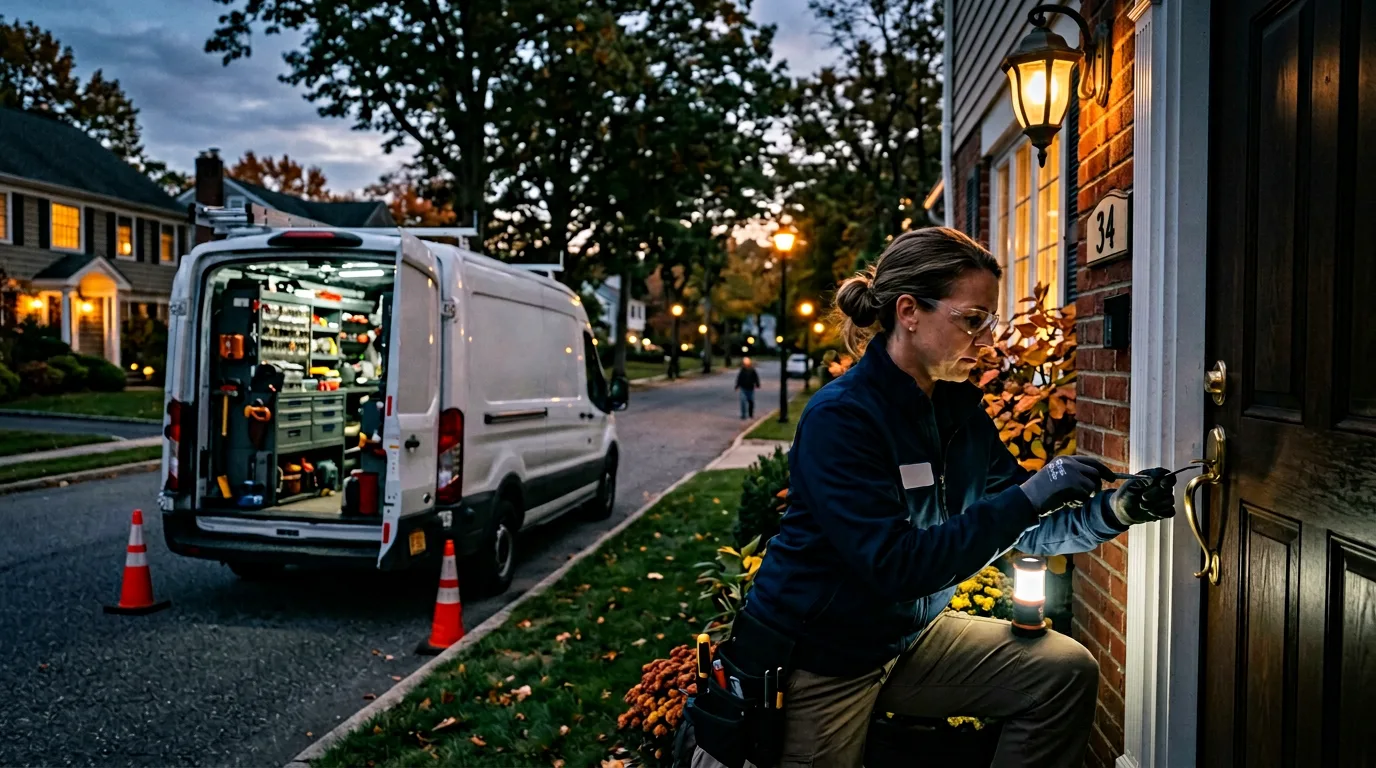
Another limitation is that rekeying does not change the physical security grade of the lock. If your current lock is a basic residential cylinder with a low security grade, rekeying does not upgrade it. The lock remains just as vulnerable to picking, bumping, or forced entry as before. In that case, replacing the lock with a higher-grade model gives you better protection.
What Lock Replacement Involves
Residential lock replacement means removing the old lock hardware and installing a new unit. This can include the deadbolt, the handle set, the strike plate, and sometimes the latch or the entire mortise assembly. Replacement is a more involved job than rekeying, but it opens the door to newer technology and stronger materials.
Modern deadbolts come with hardened steel bolts, reinforced strike plates, and anti-pick cylinders. Some models offer bump-resistant or drill-resistant features. If your current lock is decades old, replacement gives you a chance to bring the security up to current standards. It also allows you to switch to a different type of lock, such as moving from a standard cylindrical lock to a heavy-duty mortise lock, or from a key-only deadbolt to a keypad or smart lock.
Signs That Replacement Is the Better Option
Certain conditions make replacement the clear choice. If the lock is visibly damaged, if the screws are stripped, or if the bolt does not fully extend into the strike plate, the hardware has likely reached the end of its service life. A lock that has been forced open or tampered with should be replaced, not rekeyed, because the internal components may have been compromised.
Another sign is if the door itself has shifted. Over time, a door can warp or settle, causing the lock to misalign with the strike plate. In that case, replacing the lock with one that has a longer or adjustable bolt may solve the alignment issue. Rekeying a misaligned lock leaves the underlying problem untouched.
If you are upgrading to a smart lock or a keyless entry system, replacement is the only path. Those systems require different hardware, including electronic components, batteries, and connectivity modules that are not compatible with traditional cylinders. A 24/7 Mobile Locksmith can advise on which replacement models fit your door prep and your budget.

Cost and Time Considerations
Rekeying is generally the less expensive option because it uses the existing hardware. The labor is straightforward, and the only materials are the new pins and keys. For a single lock, rekeying can be done on site in a matter of minutes. For multiple locks that are already keyed alike, the job is even faster.
Replacement costs more because you are buying new hardware. Prices vary widely depending on the brand, the security grade, and the features. Installation also takes longer, especially if the new lock requires modifications to the door prep or the strike plate. In a rental property or a temporary living situation, rekeying often makes more sense. In a home you plan to stay in for years, replacement adds long-term value and peace of mind.
Key Control After the Job
Both rekeying and replacement give you control over who holds keys. After rekeying, you know exactly how many keys exist and who has them. The locksmith provides a new set, and the old keys no longer work. This is the standard approach after moving into a new home, because you cannot be sure how many copies of the original key are floating around.
With replacement, you also start fresh. The new lock comes with its own set of keys, and you decide how many copies to make. Some homeowners choose to have all their exterior locks keyed alike, so one key works everywhere. That is a form of key control that works whether you rekey or replace, as long as the cylinders are compatible.
What a Professional Assessment Looks Like
A good locksmith will inspect the door, the lock, and the strike plate before recommending a course of action. They check for wear, alignment, and any signs of forced entry. They also consider the security grade of the existing hardware. If the lock is a low-grade model with plastic components or a thin bolt, they may recommend replacement over rekeying, even if the lock is still functioning.
That kind of judgment is valuable because most homeowners do not know what to look for. A lock that seems fine can still be vulnerable. A 24/7 Mobile Locksmith will walk you through the options without pushing you toward an unnecessary expense. The goal is to match the solution to the actual condition of your door and your security needs.
Putting It All Together
The choice between rekeying and residential lock replacement comes down to the state of your hardware and your security priorities. If the locks are in good shape and you just need new keys, rekeying is fast and cost-effective. If the locks are worn, damaged, or outdated, replacement gives you a stronger, more reliable setup. Both options restore your peace of mind, but the right one depends on what you are working with.
Before making a decision, have a professional take a look. A quick inspection can reveal issues you might miss, like a loose strike plate or a cylinder that is starting to bind. With the right information, you can choose the path that fits your situation and keeps your home secure.